
Building a new deck is one of the best ways to expand your living space and enjoy the outdoors. Whether it’s for relaxing with family, hosting friends, or increasing the value of your home, the materials you choose for your deck will play a big role in how it looks, performs, and ages over time.
One of the most common decisions homeowners face during the design process is whether to use traditional pressure-treated wood decking or modern composite decking and railing systems. Both options are widely used, both can create beautiful outdoor spaces, and neither choice is inherently wrong. The right decision simply depends on your goals, budget, and how you plan to use your deck long term.
At Queen Boss Construction, we regularly build decks using both materials and help homeowners weigh the advantages of each during the planning process.
Understanding Pressure-Treated Wood Decking
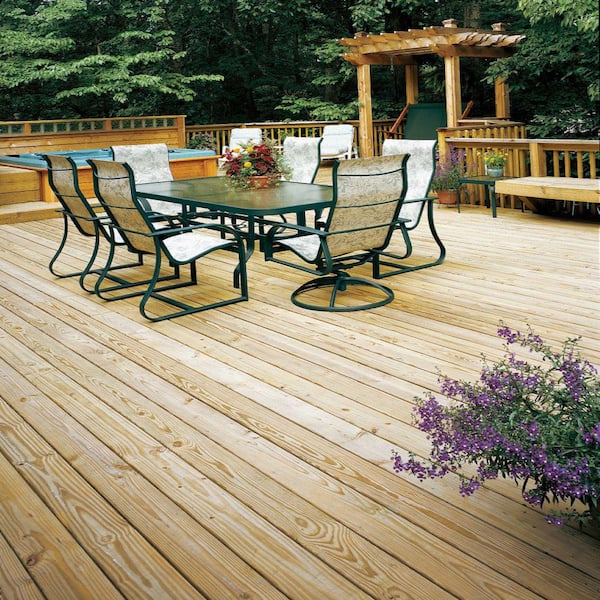

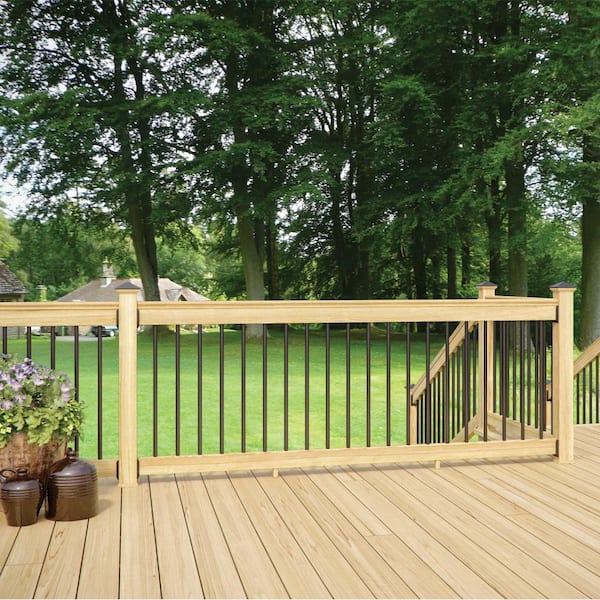

Pressure-treated wood has been the traditional standard for decks for decades. The lumber is infused with preservatives that protect the wood from rot, insects, and moisture, making it durable enough for outdoor use.
Advantages of Pressure-Treated Decking
Lower upfront cost
Pressure-treated lumber is typically the most budget-friendly option when building a new deck. For homeowners looking to add outdoor living space without significantly increasing the project budget, wood decking is often a practical solution.
Natural appearance
Many homeowners love the authentic look of real wood. Pressure-treated decking can be stained or sealed in a wide range of colors to complement your home’s exterior and landscape.
Easy to repair or modify
If a board becomes damaged or needs replacement in the future, wood decks are generally straightforward to repair.
Considerations With Wood Decking
While pressure-treated decks are durable, they require ongoing maintenance to keep them looking their best.
Over time, wood decking typically requires:
-
Periodic staining or sealing
-
Cleaning to prevent mildew or discoloration
-
Occasional board replacement due to cracking, warping, or splintering
For homeowners who enjoy maintaining their outdoor spaces, this may not be a drawback. But for others, the long-term upkeep can become a factor when comparing materials.
Composite Decking and Railing Systems

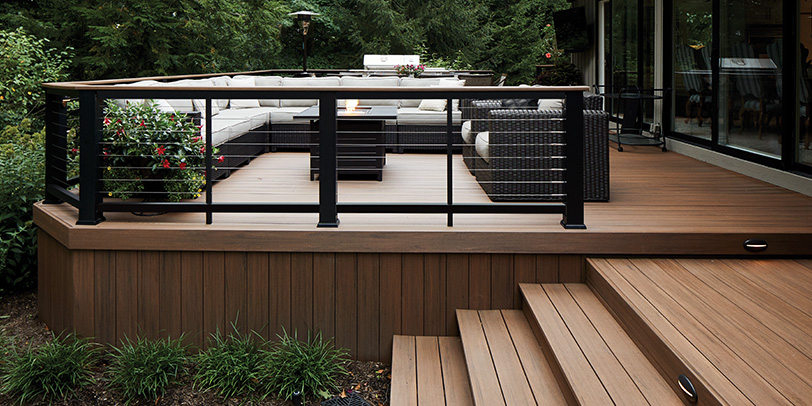


Composite decking has grown significantly in popularity over the last decade. These boards are typically made from a blend of recycled wood fibers and plastics, engineered to provide durability while reducing maintenance.
Many composite systems also include coordinated railing, trim, and lighting components, allowing for a more integrated deck design.
Advantages of Composite Decking
Low maintenance
One of the biggest reasons homeowners choose composite decking is the minimal upkeep. Composite decks generally do not require staining or sealing. Routine cleaning with soap and water is typically enough to keep them looking good.
Long-term durability
Composite boards resist:
-
Rot and moisture damage
-
Splintering
-
Insect damage
-
Warping and cracking
Because of this, many composite products come with long manufacturer warranties.
Consistent appearance
Composite decking maintains its color and finish longer than traditional wood, which can fade or weather over time.
Modern design options
Composite systems offer a wide range of colors, textures, and railing styles that can create a more contemporary outdoor living space.
Considerations With Composite Decking
The primary difference most homeowners notice is the higher upfront cost compared to pressure-treated lumber.
Composite materials often cost more initially, but many homeowners view this as a long-term investment due to the reduced maintenance and longer lifespan.
Upfront Cost vs Long-Term Value
When comparing decking materials, it’s helpful to think beyond the initial build cost.
Pressure-treated decks generally cost less to install, but may require ongoing maintenance expenses over the years for staining, sealing, and repairs.
Composite decks usually require a higher initial investment, but the reduced maintenance and extended lifespan can offset those costs over time.
There is no universal answer — the best choice depends on your priorities:
-
Budget-conscious build: pressure-treated decking may be ideal
-
Low maintenance lifestyle: composite may be worth the investment
-
Traditional aesthetic: natural wood can provide warmth and character
-
Modern outdoor design: composite systems offer more integrated options
Designing the Right Deck for Your Home
Regardless of the material you choose, the most important factors in a successful deck project are proper design, structural framing, and quality installation.
At Queen Boss Construction, we work with homeowners throughout the Charlotte and Lake Norman area to design decks that match their style, budget, and long-term goals. We regularly build decks using both pressure-treated wood and composite systems, and we guide our clients through the decision process so they feel confident in their investment.
Every project starts with understanding your vision for the space — whether it’s a simple backyard deck or a larger outdoor living area with seating, lighting, and custom railing systems.
Ready to Build Your Deck?
If you're considering adding a new deck or replacing an existing one, our team would be happy to walk you through the options and help design a space that fits your home and lifestyle.
Whether you prefer the classic look of wood decking or the low-maintenance convenience of composite materials, we can help bring your vision to life with a professionally built outdoor space designed to last.
Contact Queen Boss Construction today to schedule a consultation and start planning your new deck.